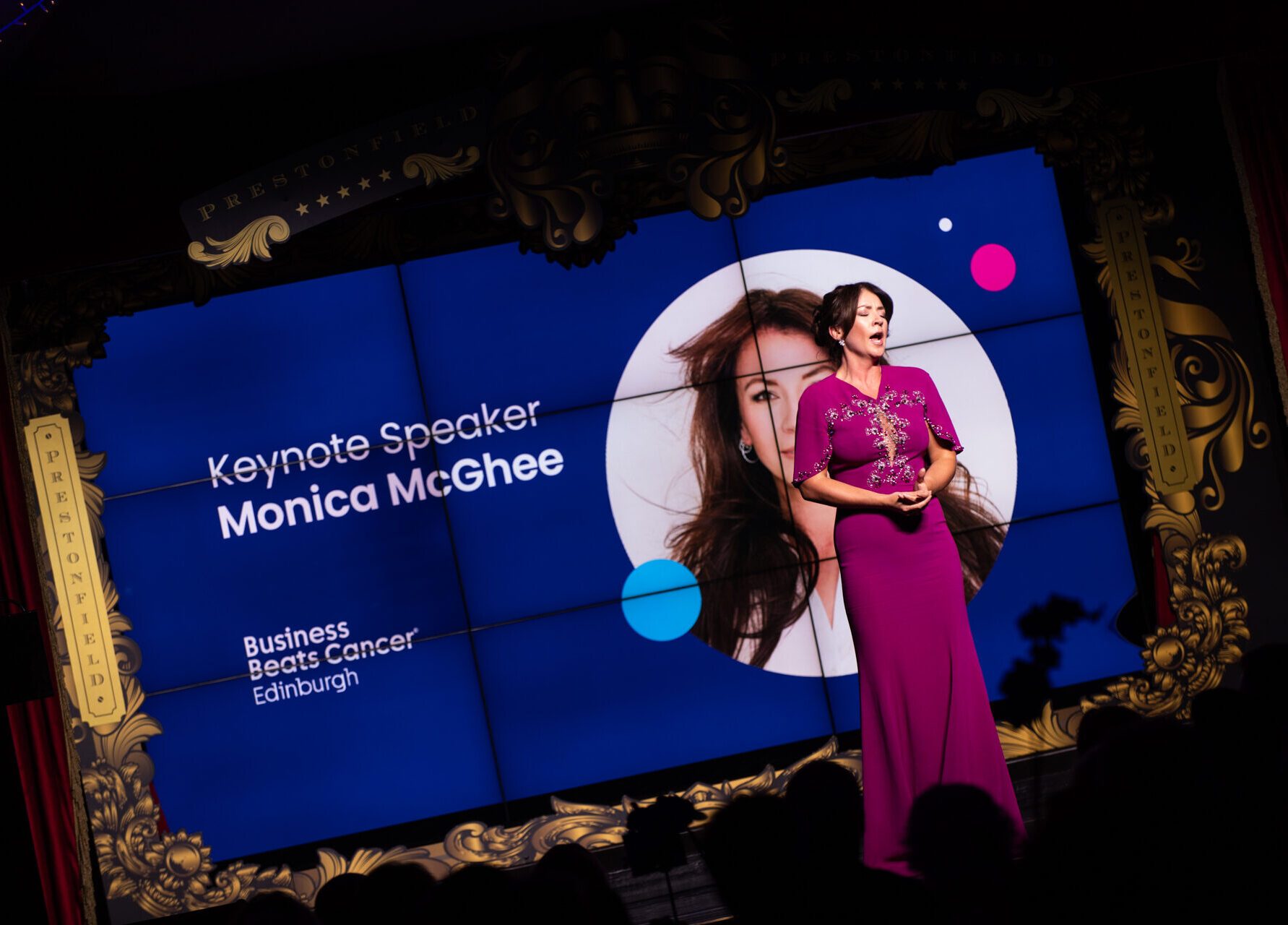
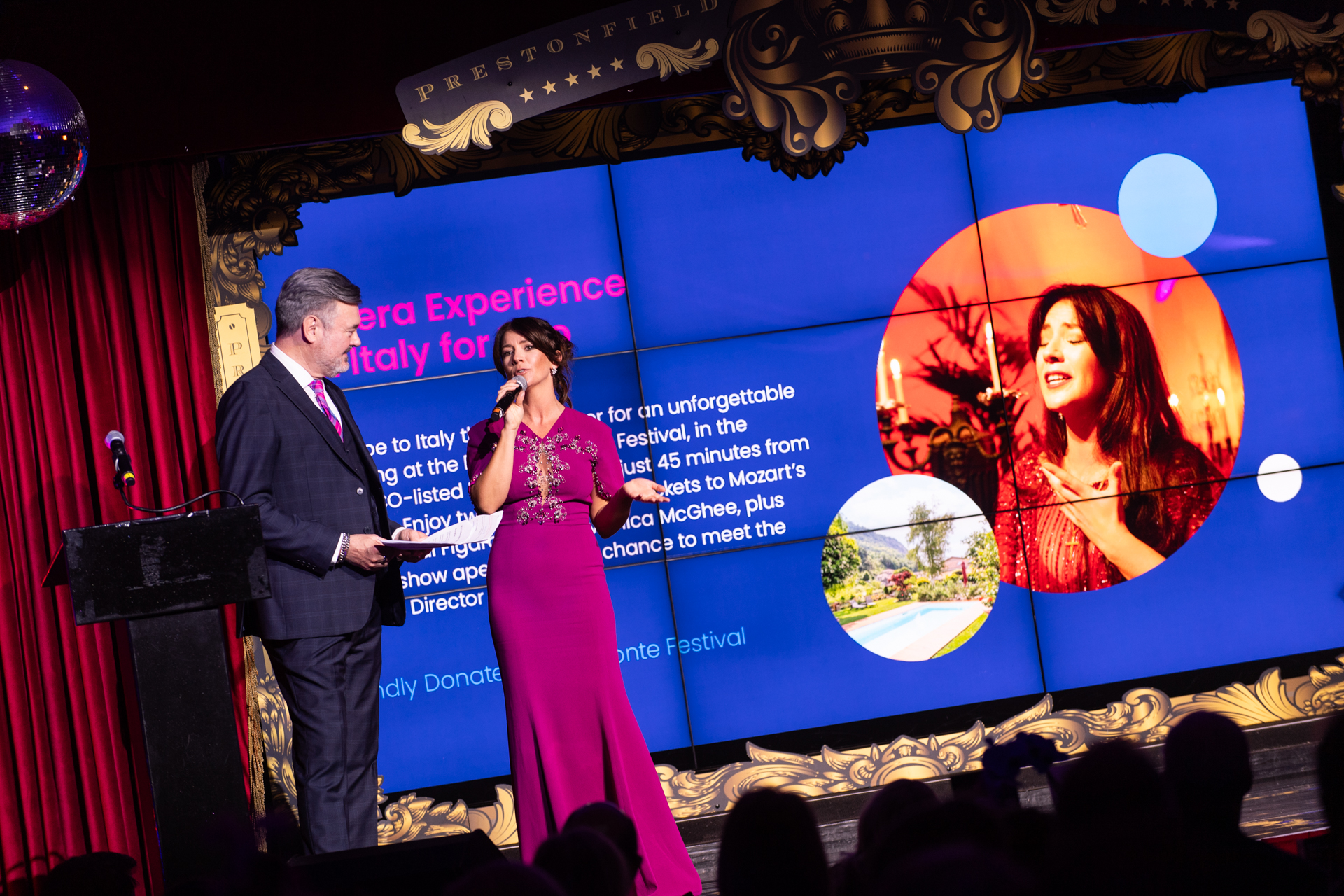
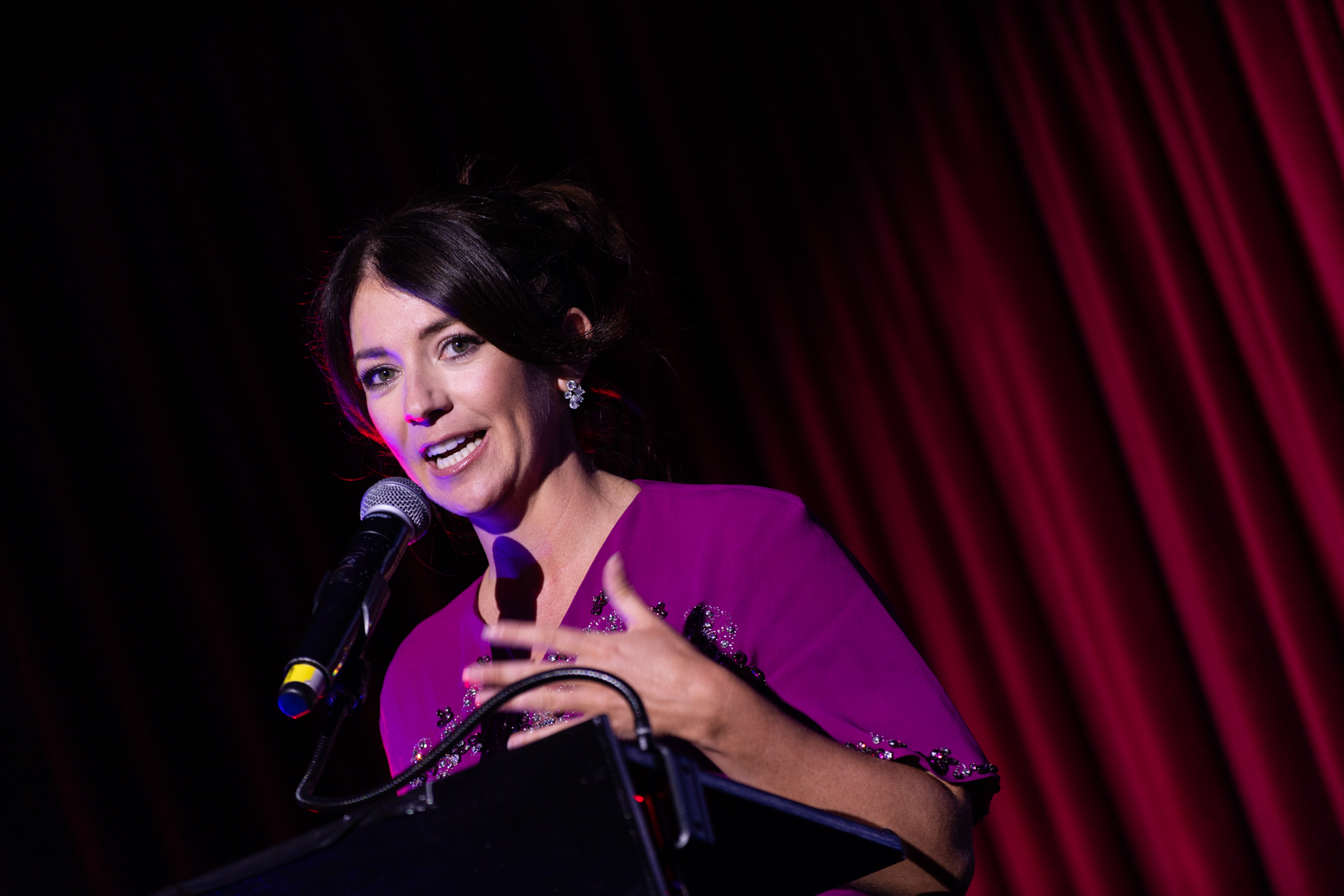
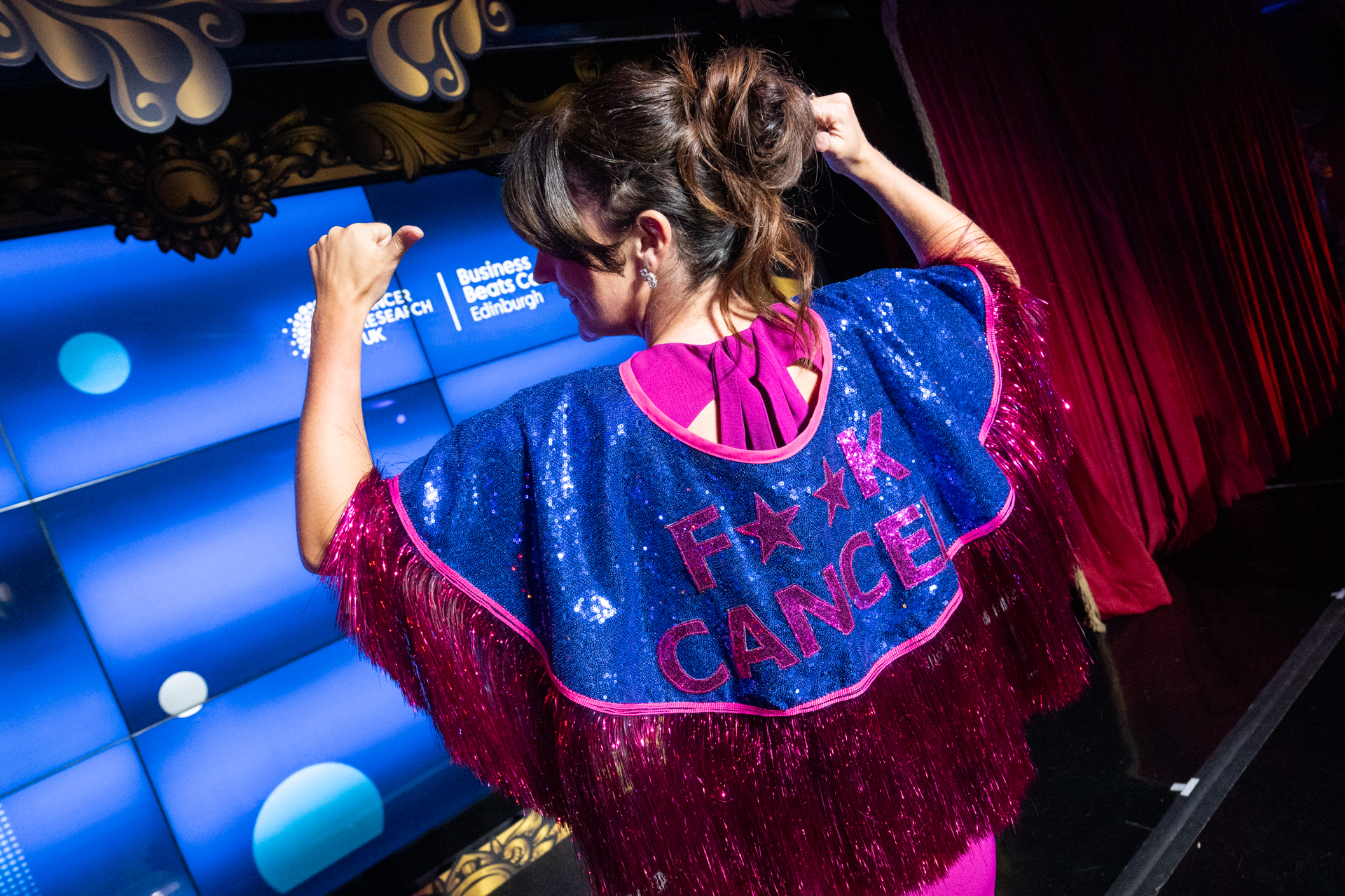
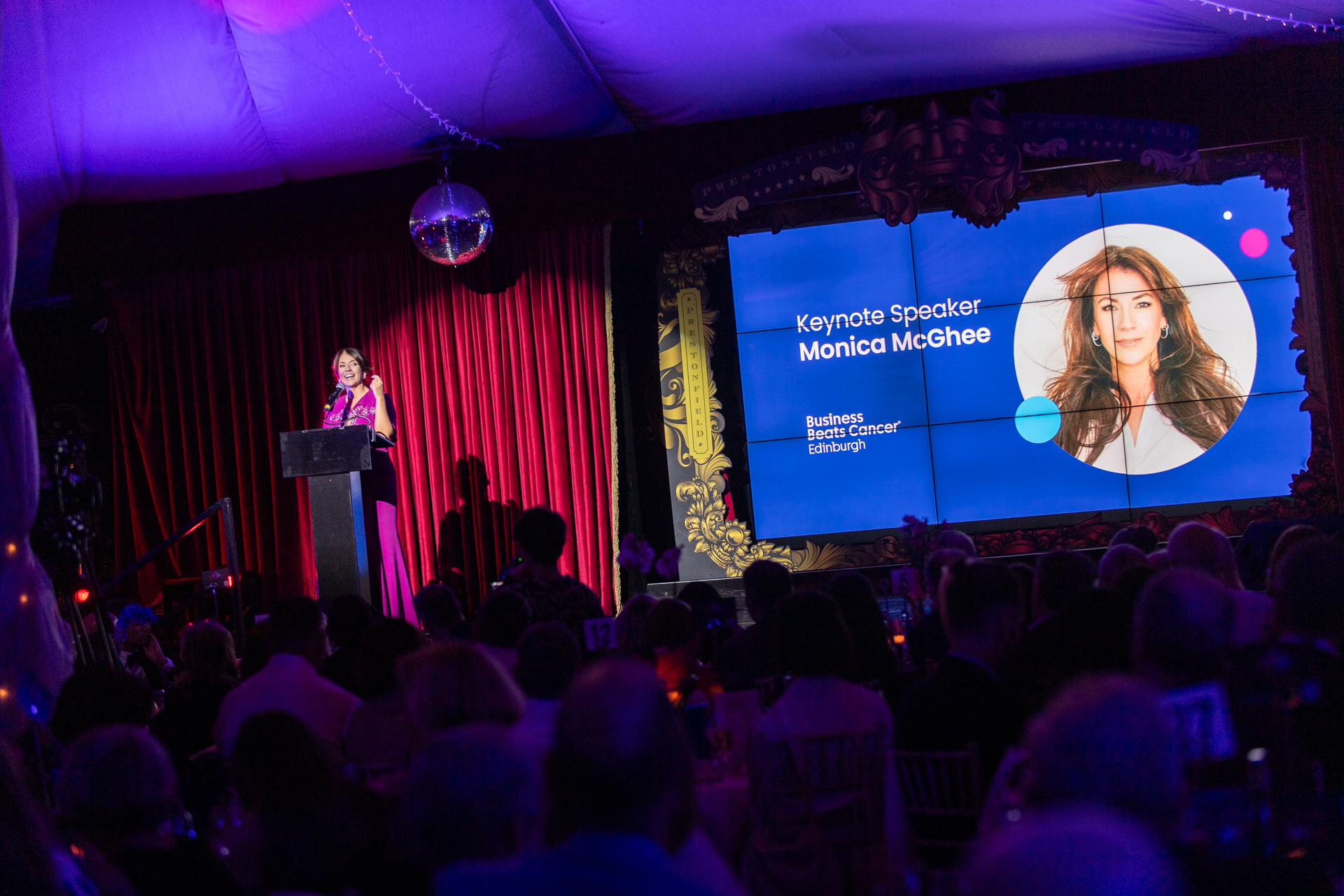
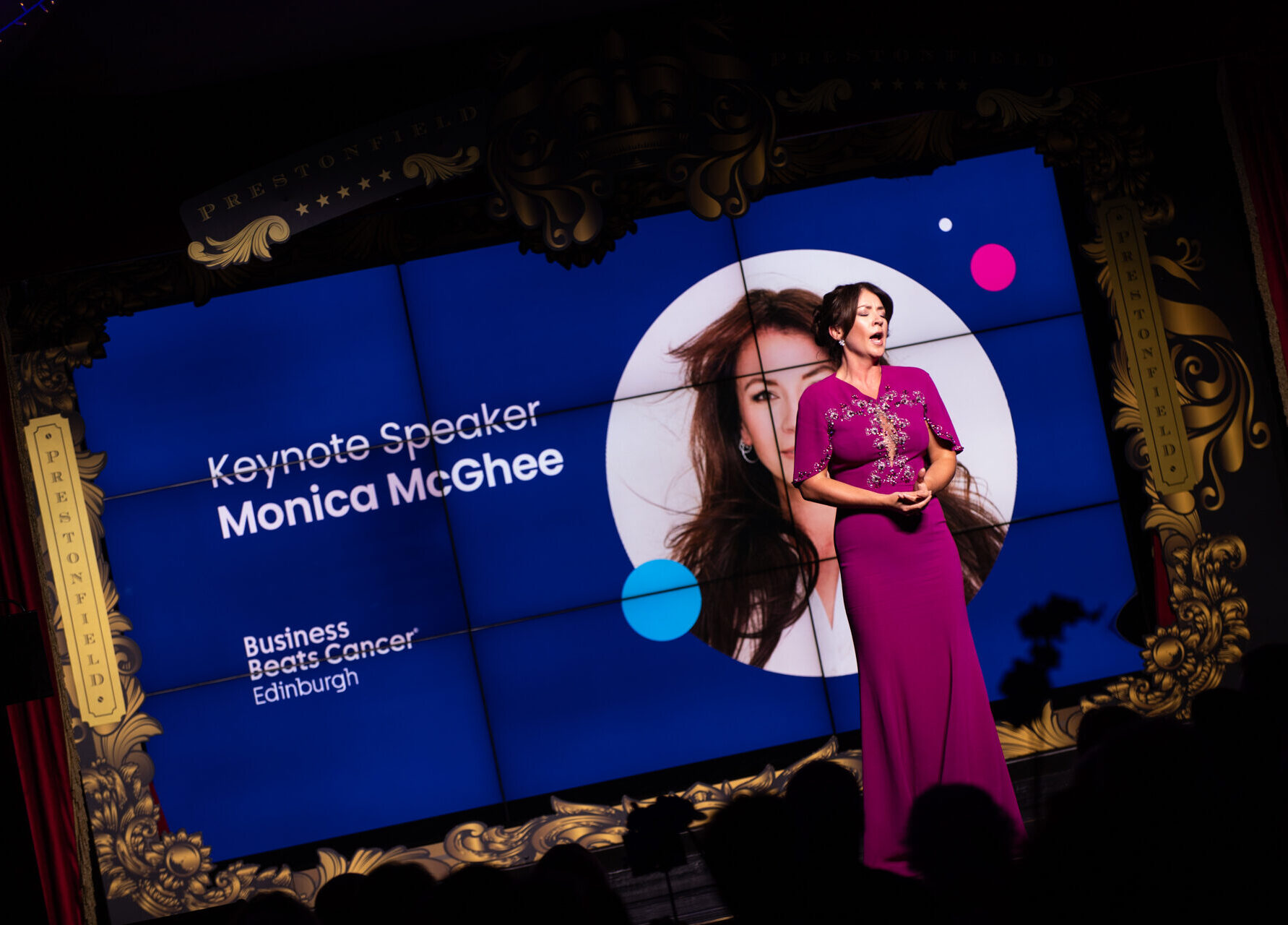
The night before her surgery, Scottish opera singer Monica McGhee did something most people would never think to do. She locked herself in a church practice room in Greenwich and sang for three hours straight — every role she had ever dreamed of performing, every aria she had loved since childhood.
“This might be the last day that I have this privilege to make these noises,” she said. “So I sang every single thing I would ever want to sing in my career, in case my voice died the next morning on the operating table.”
It was 2016. Monica was 28, Motherwell-born, and on the cusp of something special. Trained at the Royal Conservatoire of Scotland and the Royal College of Music in London, she had just secured an audition at the National Opera Studio — one of the most prestigious stepping stones in British opera.
“My voice felt like it had just cooked,” she said. “I felt like, finally, my voice is perfectly aligned with the roles that I would sing.”
Then, warming up for a concert, she found a lump in her neck.
A Diagnosis She Refused to Accept
Her GP wasn’t concerned. Probably a blocked saliva gland, she was told. But Monica pushed for a scan. Six weeks later, it hadn’t gone. The next morning, sitting in a doctor’s office, words like tumour, biopsy and surgery came at her fast.
“I just started crying,” she said. “I told them, ‘you just can’t open this up. I can’t lose this — my life is actually going very well. It’s finally all coming together.'”
Her doctors were not deterred.
The last piece she sang the night before surgery was Vissi d’arte from Puccini’s Tosca — an aria in which the heroine cries out to the heavens, asking why a good person should suffer so cruelly.
“I thought, if this is the last thing I ever sing, it’s a bit of a dream role,” Monica said.
Ironically, Tosca has since become one of her most performed roles.
The Long Road Back
The surgery was successful, but the aftermath was brutal. For ten days she couldn’t sing a single note. Three weeks later — against her own better judgement — she went ahead with the National Opera Studio audition anyway.
“Needless to say, I didn’t get in.”
It took three years to fully recover her voice. During that time, she collapsed on stage during a performance of Handel’s Messiah in Glasgow, discovering that the inside of her throat had twisted post-surgery. The experience left her with performance PTSD — panic attacks every time she opened her mouth to sing.
Doctors recommended a second surgery and radiotherapy to prevent the cancer from returning. Monica said no.
“This was not a decision I made lightly,” she said. “I don’t have children, and if I did, I would maybe have made a different decision. But what I have is my voice. So I chose to protect her.”
Nine years on, a currently benign tumour remains on her thyroid, being carefully monitored.
“It’s a bit like playing Russian roulette with my career,” she said. “And it’s a decision I would make time and time again.”
Worth Every Note
Now 37, Monica is writing a new chapter. Last year she made her debut with the English National Opera, landing the role of Mary Beaton — a companion of Mary Queen of Scots — which she performed for the first time on the eighth anniversary of her cancer diagnosis.
“There were a lot of feelings that day,” she said. Shortly after, she made her Italian debut.
The top notes she once used as her calling card are gone. She has had to make peace with that loss, just as a wine taster she once met had to make peace with losing his sense of taste through chemotherapy. These are the quiet, private costs of survival that rarely make headlines.
But Monica McGhee is taking curtain calls as a principal. And for her, that’s everything.
“Yes, it has taken a lot longer, and yes, it has taken a lot out of me. But it has absolutely been worth it.”