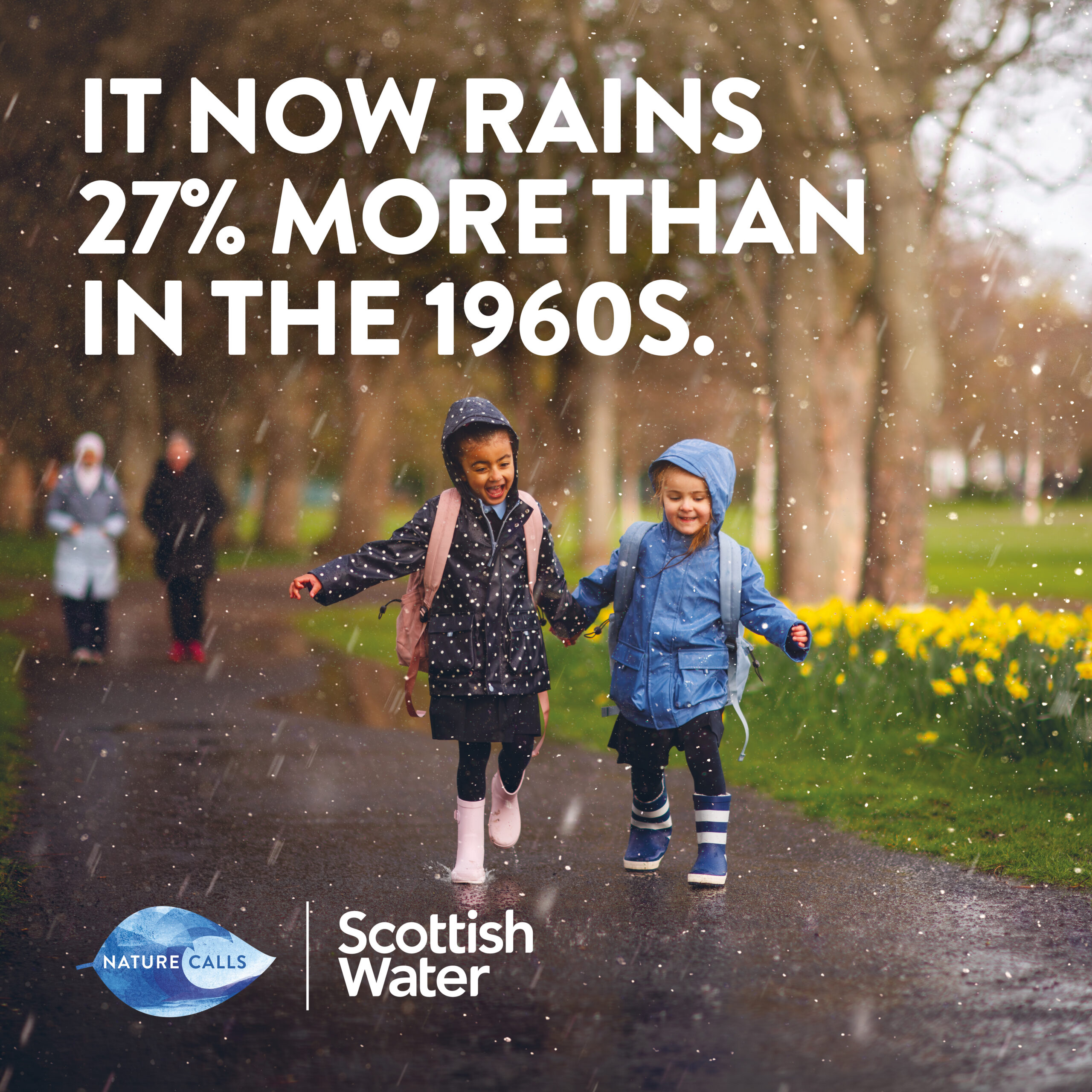
Unlikely as it seems, there’s now 27% more rain in Scotland than in the 1960s. What you gonna do?
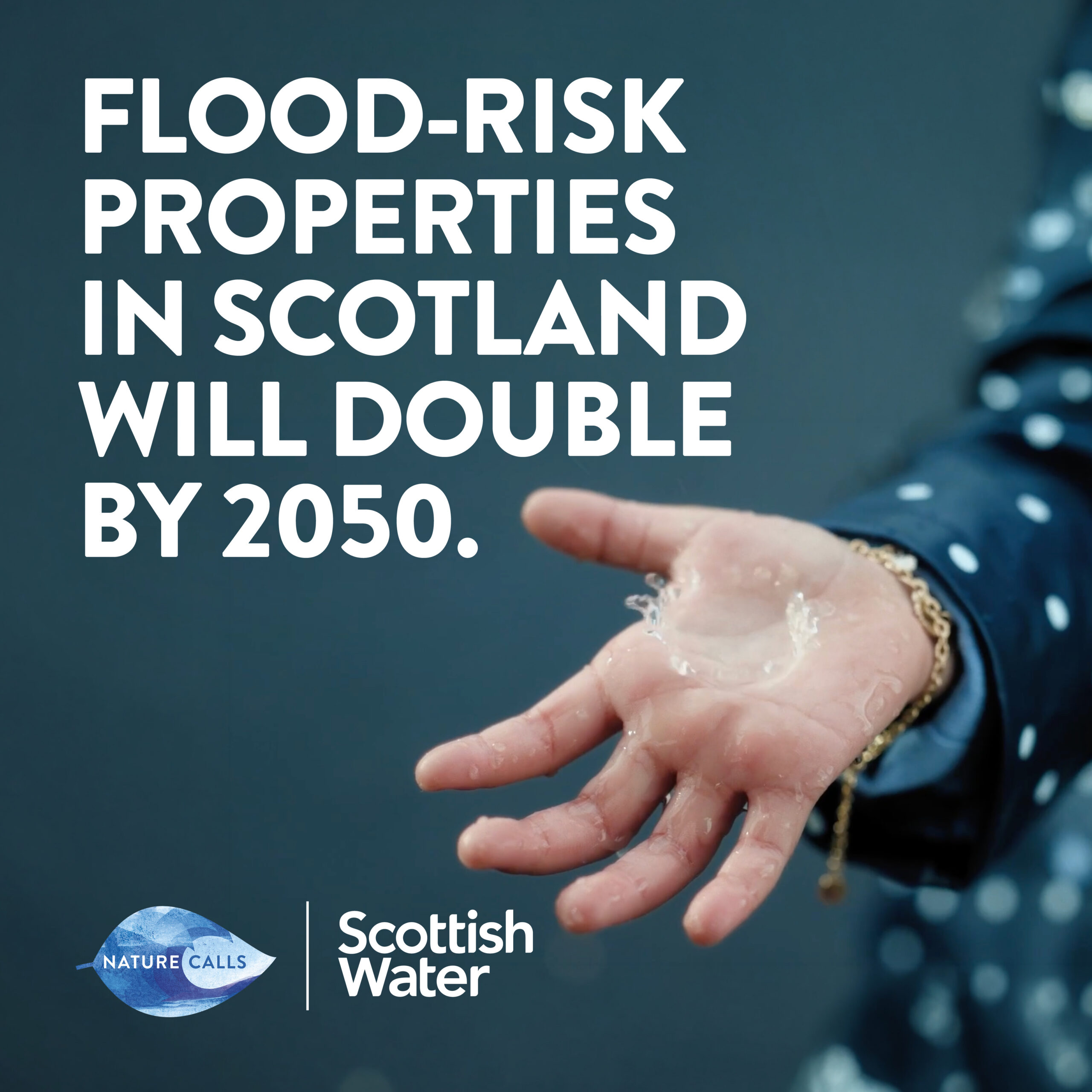
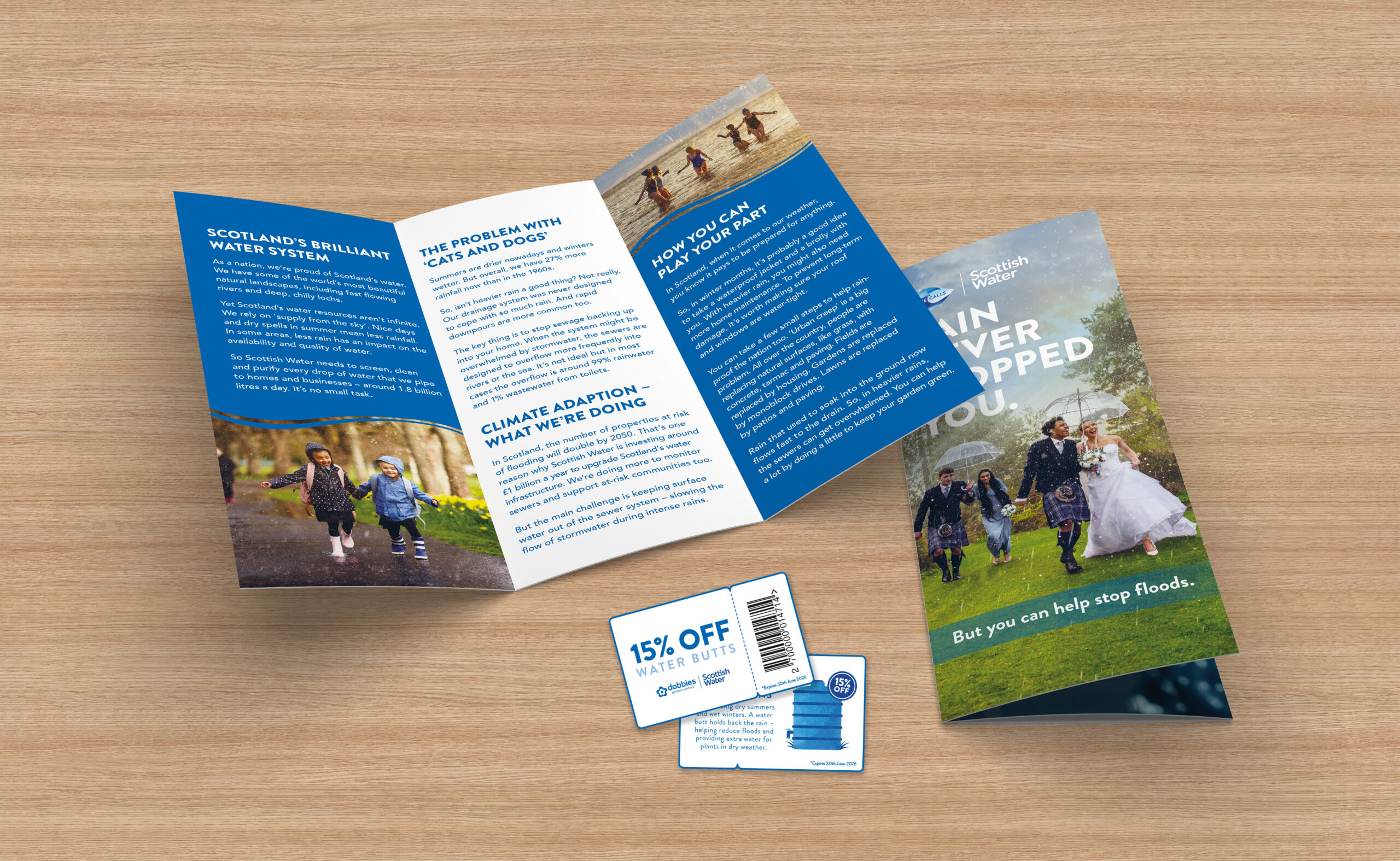
Climate change is a major headache and not just if you’re planning a barbecue. As a matter of national strategy, Scotland’s rainfall is a serious issue for our client Scottish Water. And yet, it’s hard to raise public interest in the long-term impacts of ‘too much rain’ and ‘not enough water’. As a bold first step, here’s our campaign to persuade people that the pattern of rainfall really matters. Dry spells followed by rapid heavy rains create flood risk. But a few simple steps at home to help slow the flow can make a big difference.
WINNERS OF THE MARKETING WEEK AWARDS FOR REGULATED INDUSTRIES THREE YEARS IN A ROW.
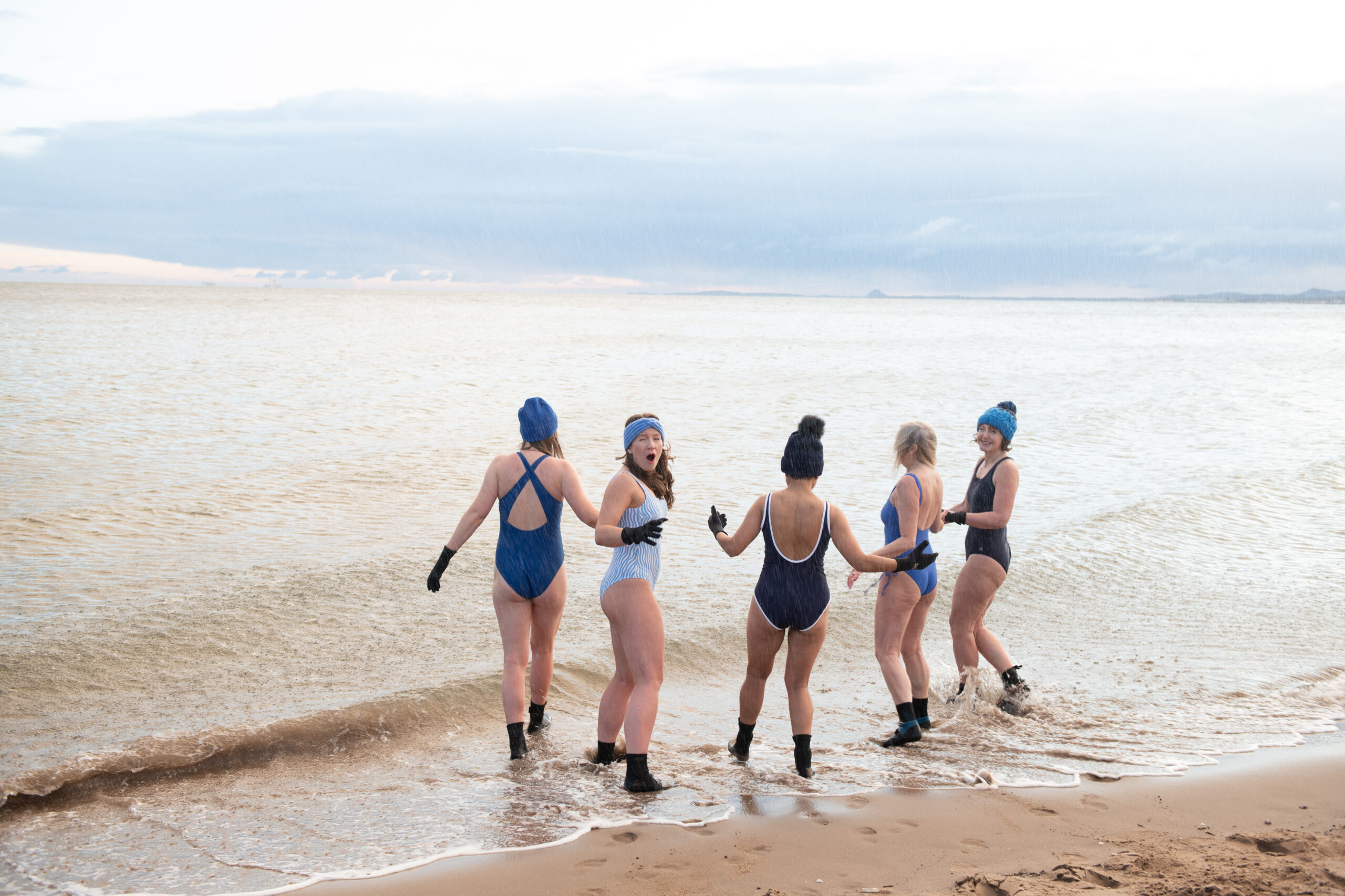
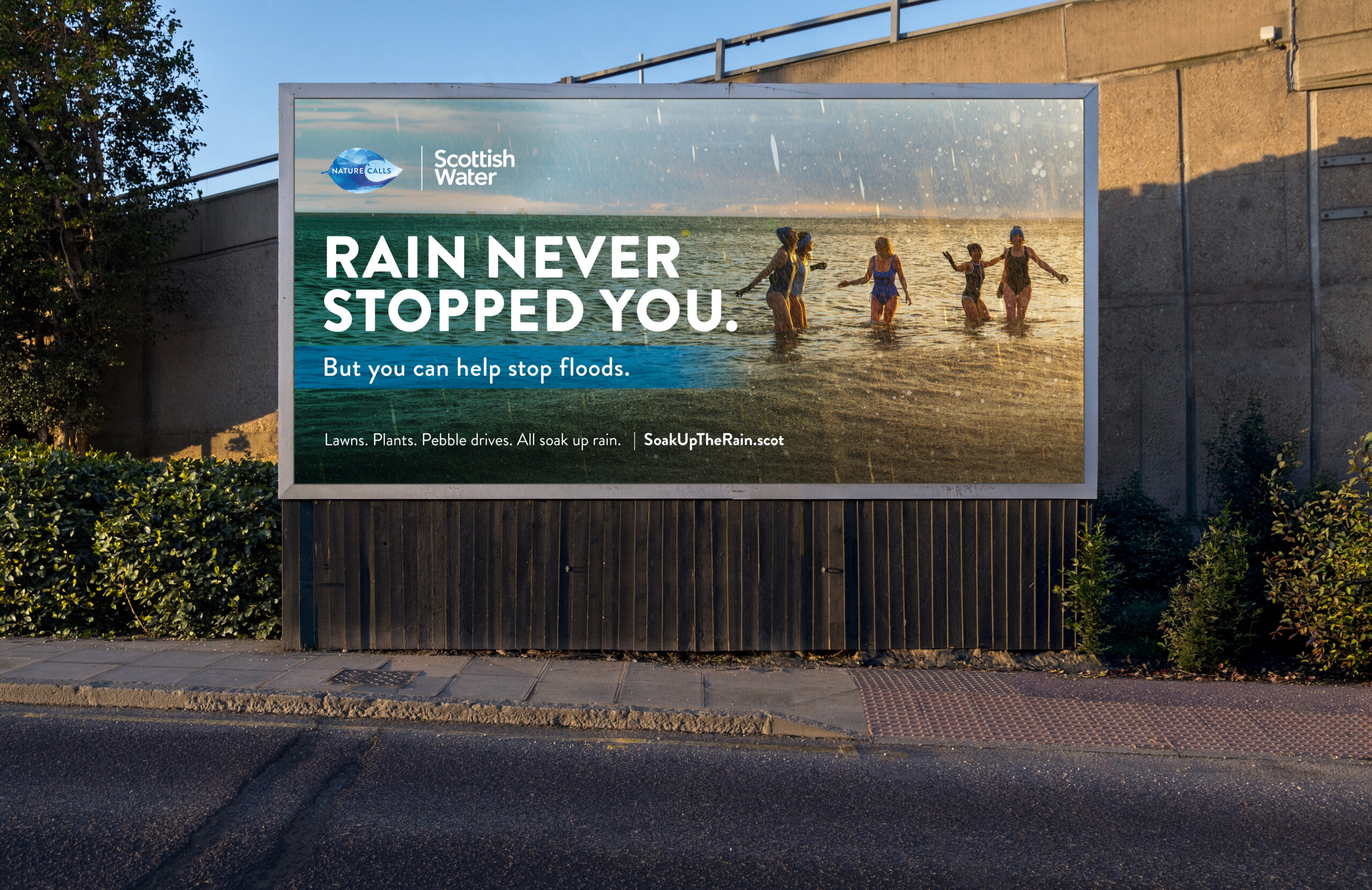
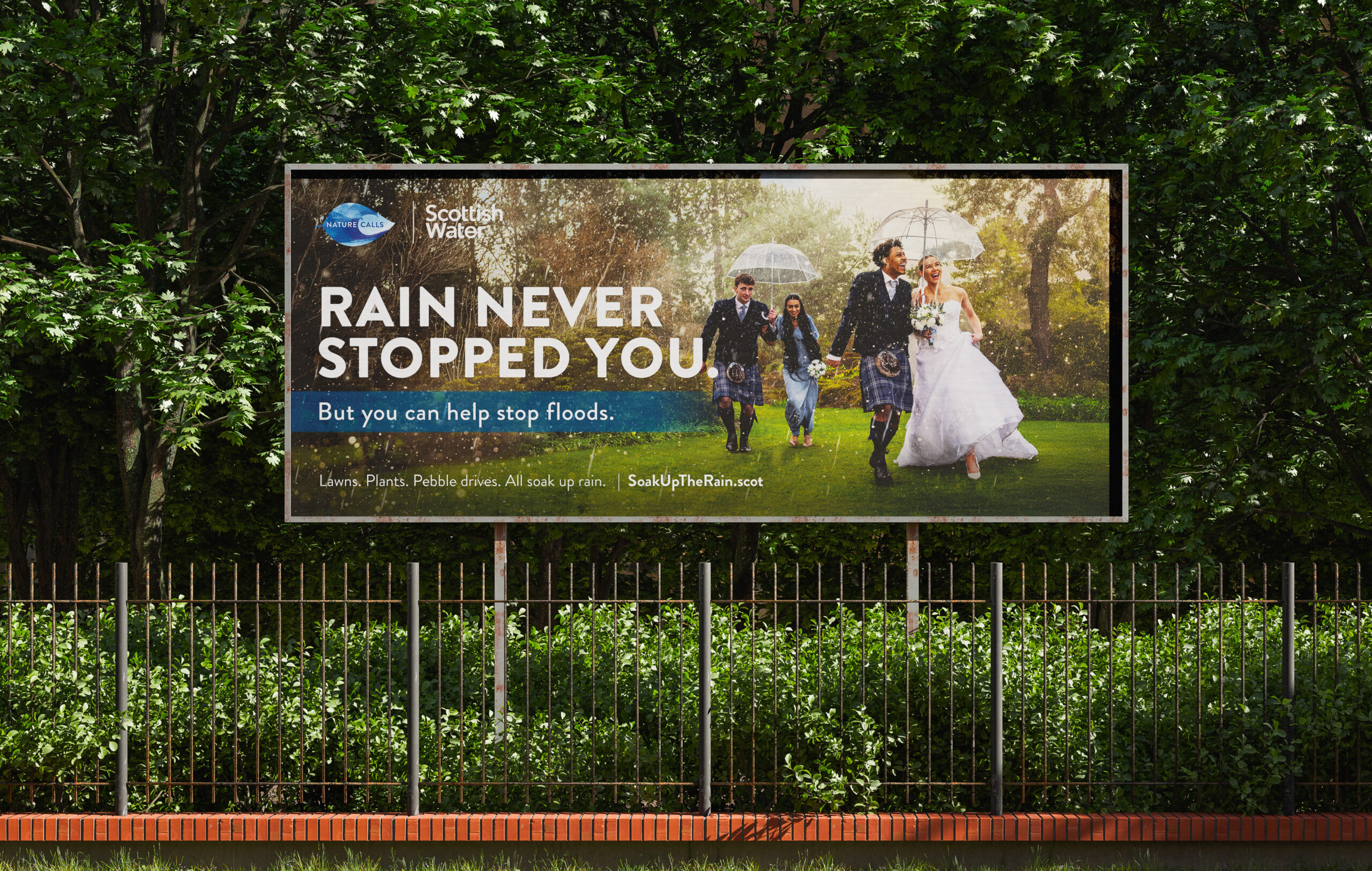
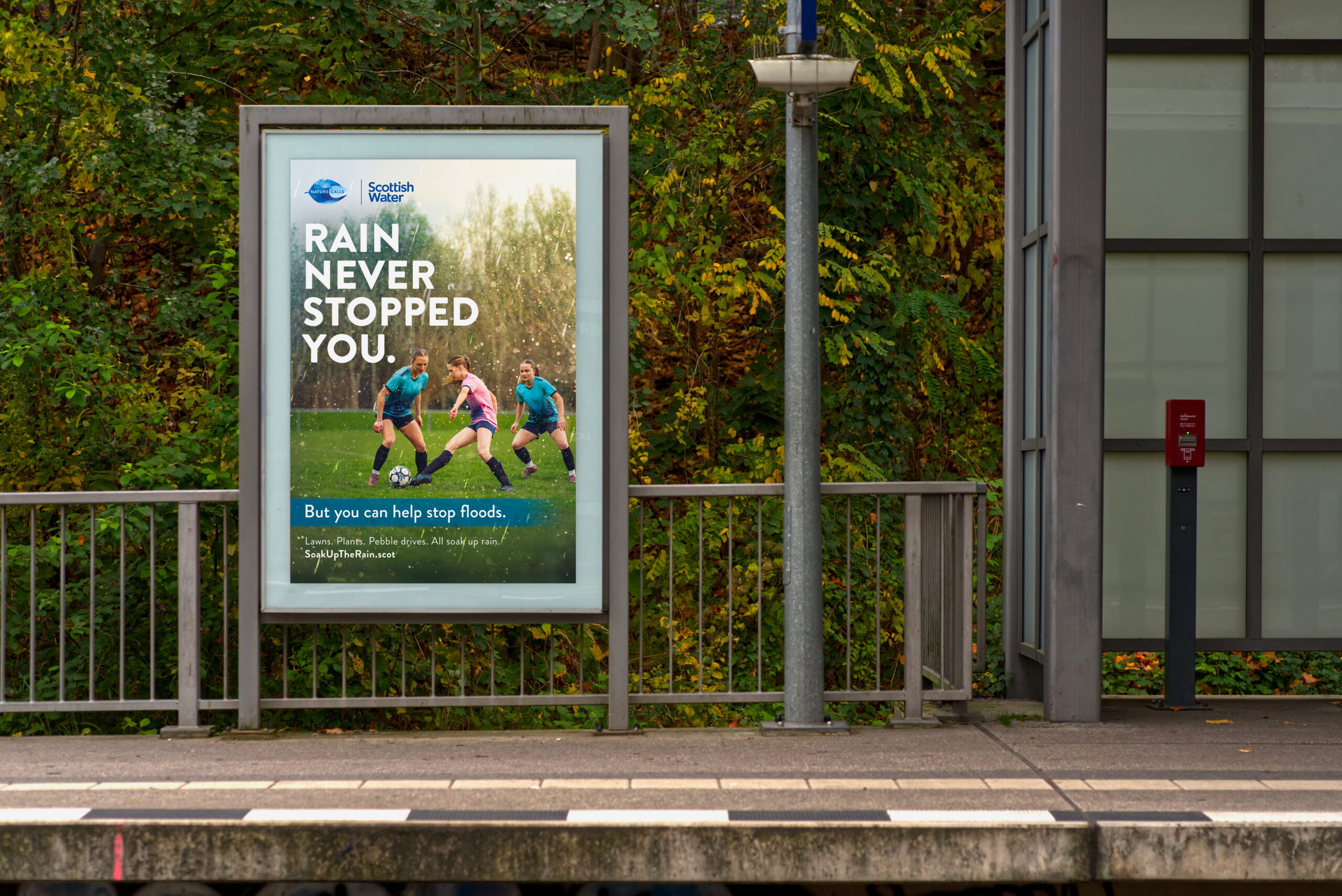
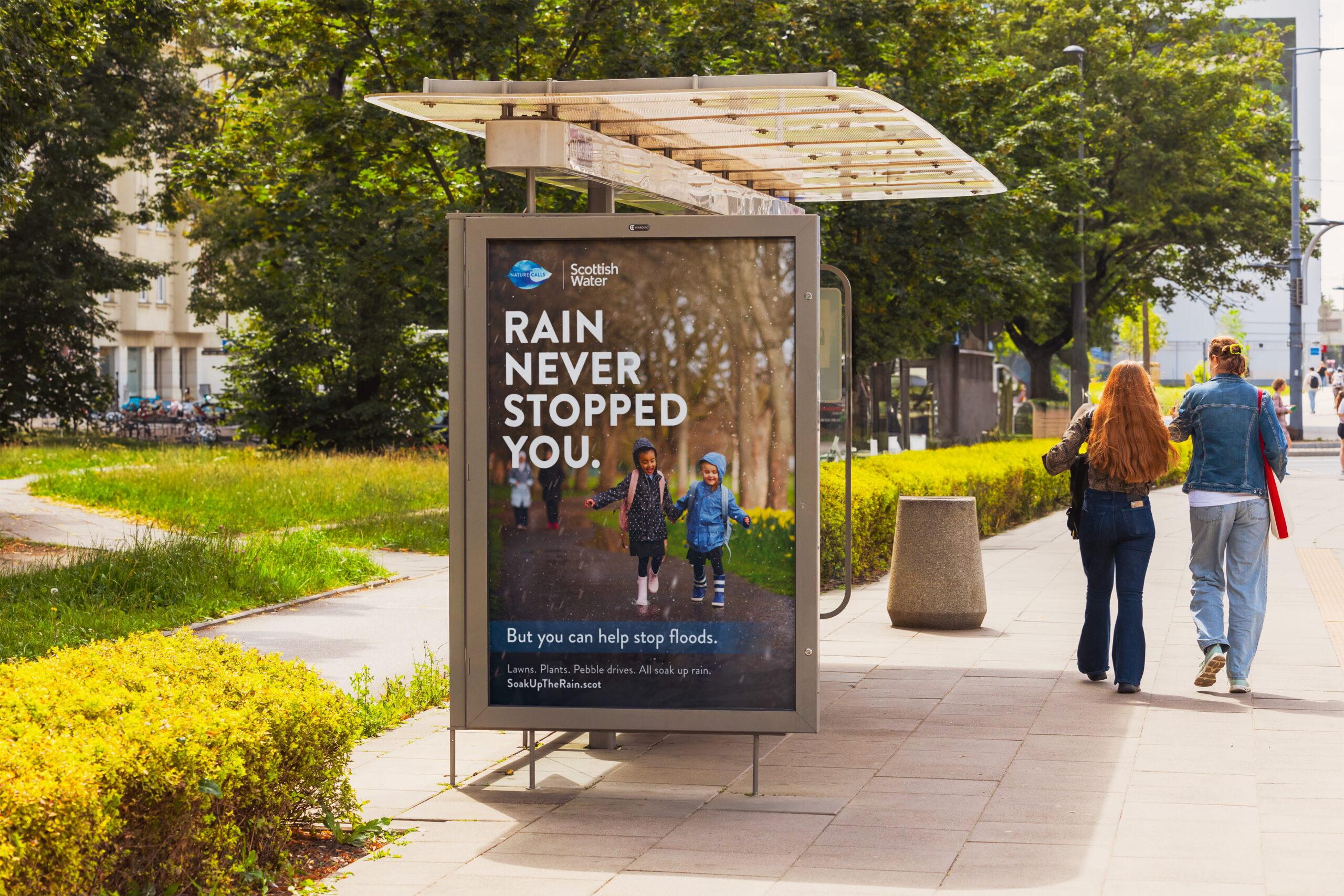
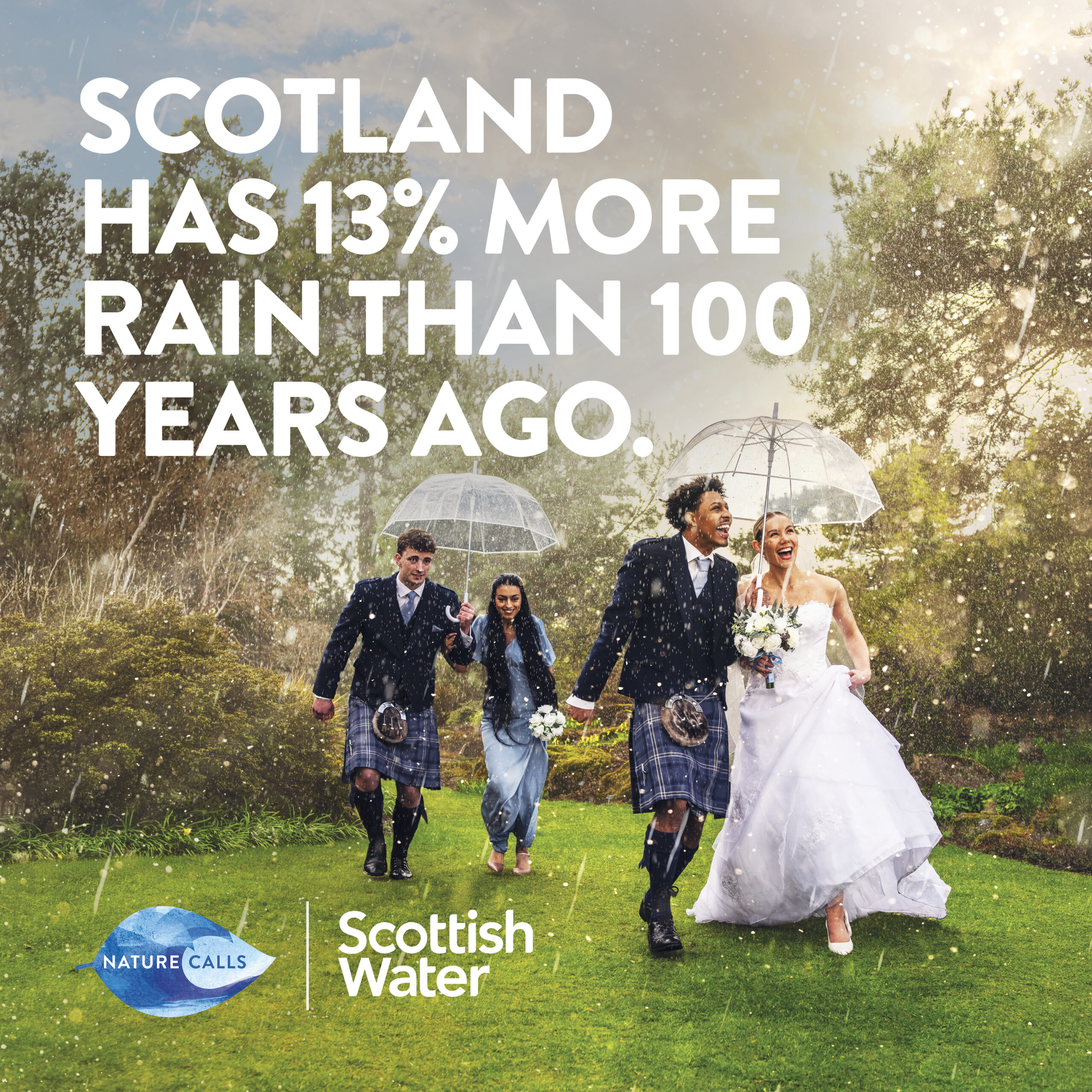
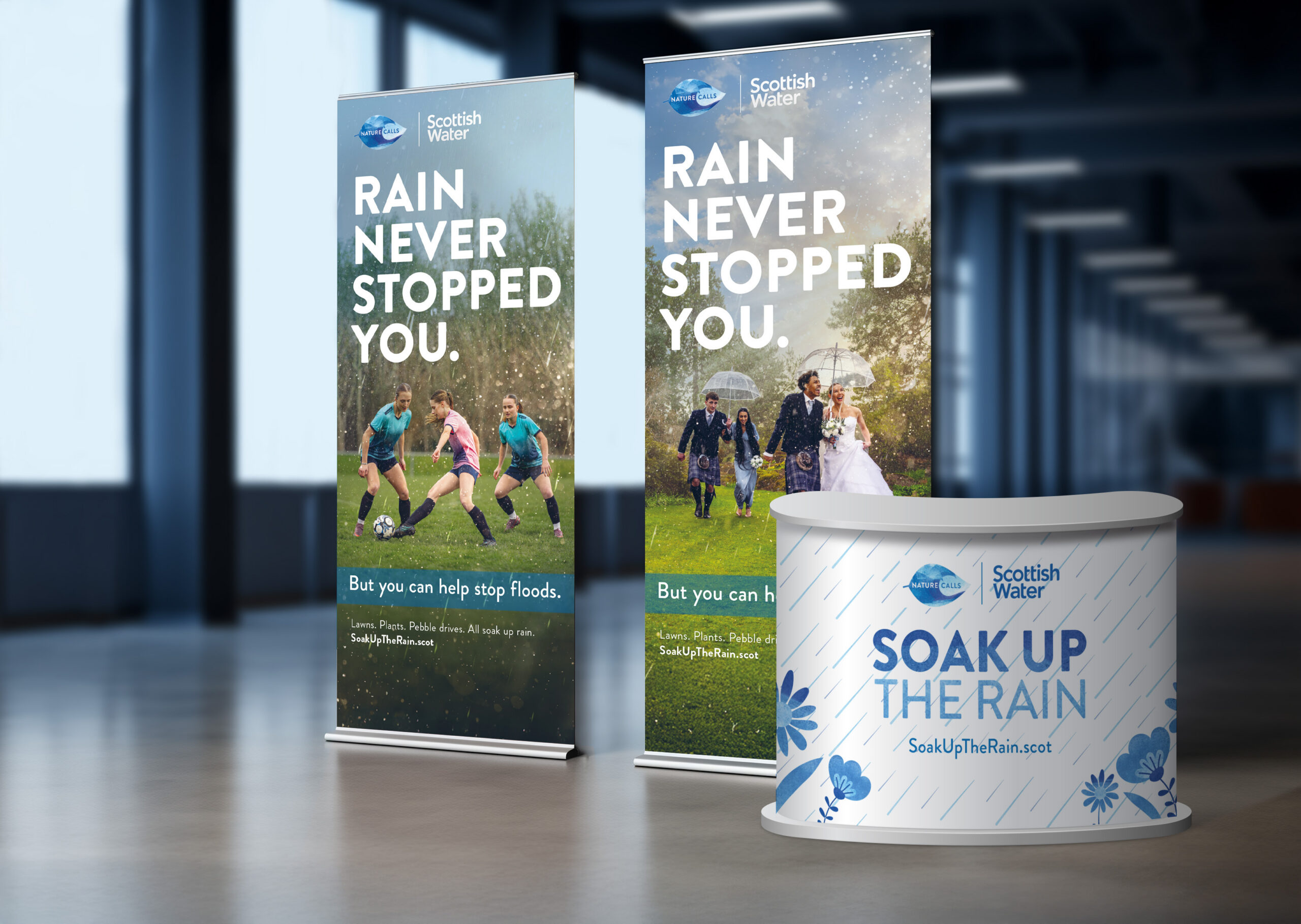
How do you make rain interesting to Scottish people? By showcasing all the moments when we don’t let rain get in the way of the good life, we explored how you can help fight floods.
Rain never stopped you. But you can help stop floods. That’s the simple message of the campaign but it’s supplemented by three simple ways you can make it work: lawns, plants and pebble drives. Why? Because they all soak up rain.
From trust-building TV to tactical ‘facts’ on social, our Nature Calls II campaign pulls every lever to shape the national conversation.
Today, Scottish Water is one of the nation’s most trusted organisations. That wasn’t always the case. Over the past decade, we’ve helped increase public confidence in Scottish Water by around 10 points. Satisfaction is at an all-time high (around 93%).
It’s taken strategic insight, careful creativity and long-range commitment. But, for a business that’s about to invest £8 billion in infrastructure over the next six years, you could say that investing for the future comes as second nature.